Skip to content
Thermally Modified Exterior Wood Cladding
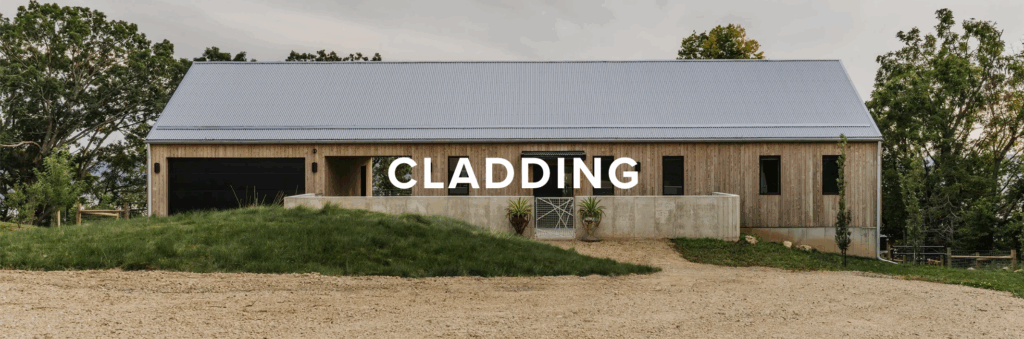
Arbor Wood Co. thermally modified wood cladding uses domestically sourced and sustainably harvested timber. Thermal modification allows for wood not naturally suitable for exterior applications to be successful because of its compositional change on a cellular level. A performance-driven and attractive material, Arbor Wood is a sustainable option for your next project.
What Is Thermally Modified Wood Cladding?
Thermally modified wood cladding is one of the most innovative and sustainable advancements in modern architecture and design. It’s natural wood — enhanced through a precise heat-treatment process — that transforms its performance, stability, and longevity without the use of chemicals. The result is a cladding material that combines the timeless warmth of real wood with the endurance needed for modern buildings.
Unlike traditional wood siding, thermally modified cladding resists moisture, decay, and dimensional changes caused by humidity and temperature fluctuations. It’s an ideal choice for architects and builders looking to specify natural materials that age gracefully, require minimal maintenance, and meet sustainability goals.
The Thermal Modification Process
Thermally modified wood starts as responsibly harvested timber, often from species such as ash, pine, or spruce. It is then placed in a controlled chamber and heated to temperatures of 350°F to 450°F (170°C to 230°C) in a low-oxygen environment.
During this process, the wood’s cellular structure is permanently altered:
-
Moisture-absorbing sugars are removed, preventing decay and insect damage.
-
The cell walls are stabilized, minimizing swelling, shrinking, and warping.
-
The wood’s natural tone deepens into a rich, uniform brown, similar to exotic hardwoods.
The result is a naturally durable material that performs beautifully in outdoor environments — without chemical treatment or synthetic coatings.
Advantages of Thermally Modified Wood Cladding
1. Unmatched Stability
Thermal modification significantly reduces the wood’s ability to absorb moisture, ensuring panels remain flat and stable through seasonal changes. Say goodbye to cupping, twisting, and unsightly gaps.
2. Natural Durability
Because the process eliminates the organic compounds that feed fungi and insects, thermally modified cladding is naturally resistant to rot, mold, and decay — even in humid or coastal climates.
3. Sustainable by Design
The process uses only heat and steam, with no toxic chemicals or preservatives. Combined with responsibly sourced wood, it’s an eco-friendly alternative to tropical hardwoods and synthetic materials.
4. Refined Aesthetics
Thermal modification enhances the wood’s natural grain and color. The deep brown tone brings warmth and sophistication to any façade. Over time, it weathers to an elegant silver-gray patina — or you can preserve its color with UV-protective finishes.
5. Low Maintenance, Long Life
Thermally modified cladding requires less maintenance and lasts significantly longer than untreated wood siding. It’s a long-term investment in both beauty and performance.
Applications and Design Versatility
Thermally modified wood cladding is ideal for residential and commercial applications, including:
-
Exterior façades and rainscreens
-
Accent walls and soffits
-
Modern architectural envelopes
-
Interior feature walls for a natural look
Its light weight and machinability make it easy to install, cut, and detail — perfect for custom projects that demand precision.
A Smarter Future for Wood Architecture
Thermally modified wood cladding allows architects and builders to design with authenticity and confidence. It delivers the natural warmth of wood while solving the age-old challenges of weathering, movement, and maintenance.
For additional information, visit https://arborwoodco.com/cladding